
Crystal Knowledge
Natural Gemstones vs Synthetic Crystals: What Is The Difference?
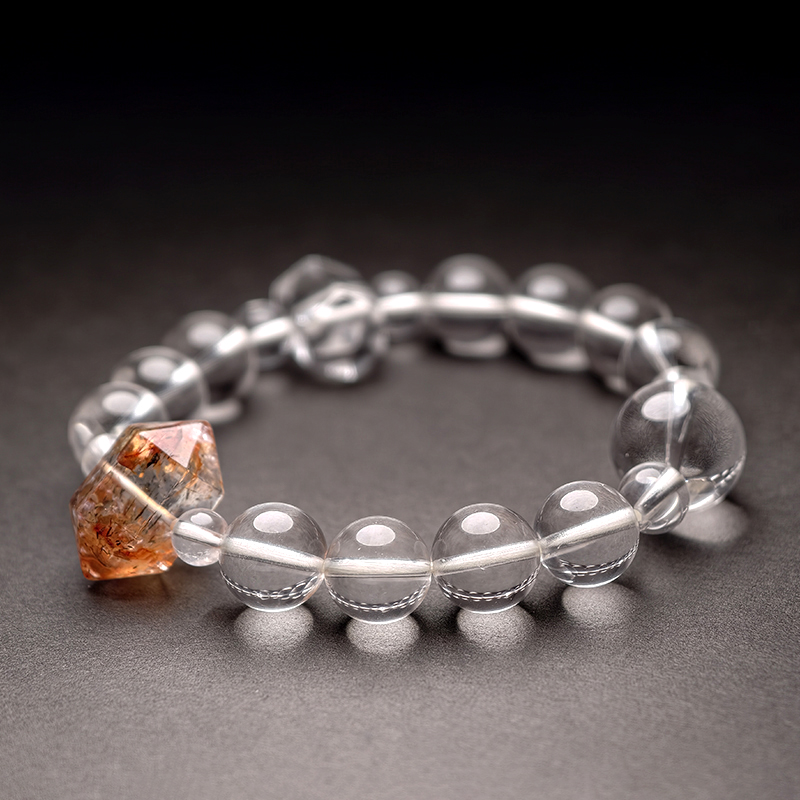
Aug
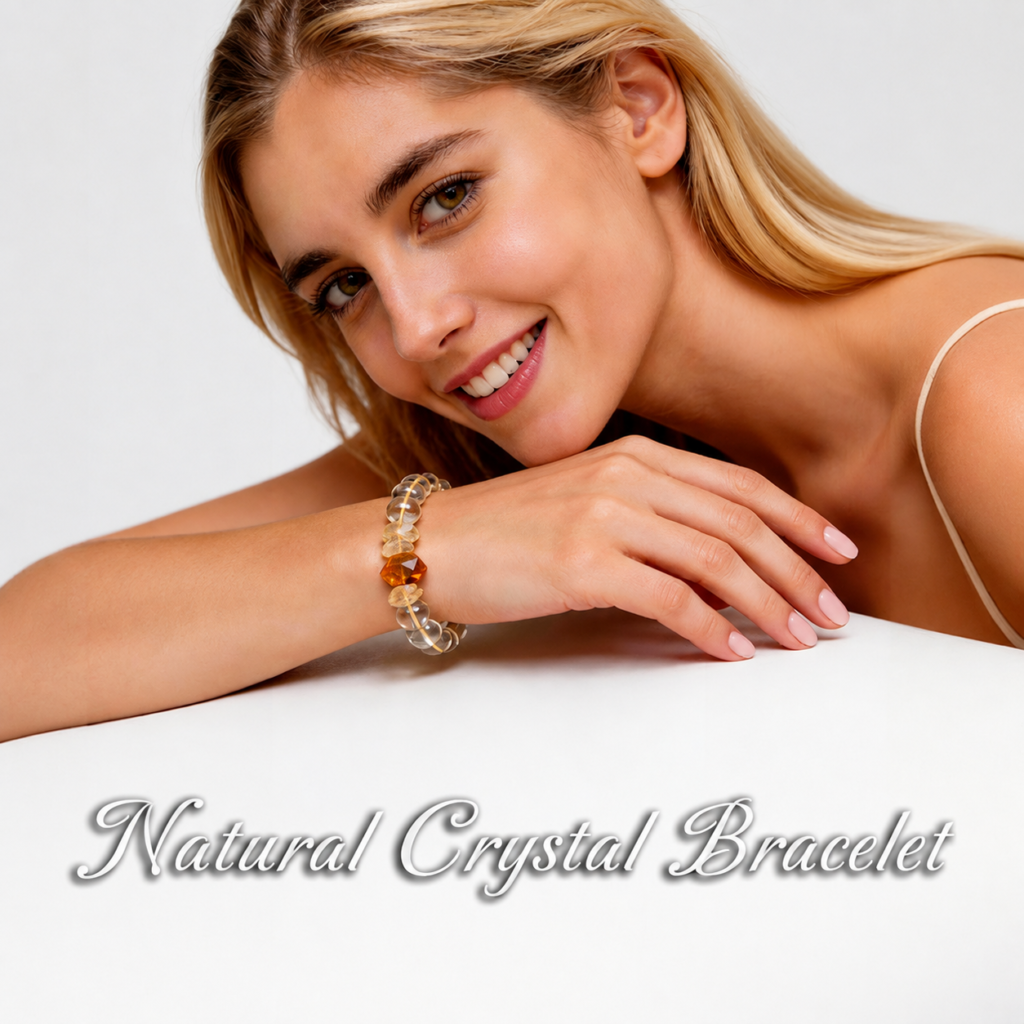
When buying crystal jewelry, many customers ask:
“Are natural gemstones better than synthetic crystals?”
“How can I tell if a crystal bracelet is made with real stones?”
With the growing popularity of gemstone jewelry, understanding the difference between natural and synthetic materials has become increasingly important.
Natural gemstones and synthetic crystals can both have beautiful appearances, but they are created through completely different processes.
This guide explains:
- What natural gemstones are
- What synthetic crystals are
- Their differences
- How to choose authentic gemstone jewelry
- What to look for when buying a natural crystal bracelet
What Are Natural Gemstones?
Natural gemstones are minerals formed naturally inside the Earth through geological processes.
Their formation may take:
- Thousands of years
- Millions of years
- Sometimes billions of years
During this process, minerals are exposed to different conditions:
- Heat
- Pressure
- Chemical elements
- Geological movement
This creates unique gemstone characteristics.
Examples of natural gemstones include:
- Amethyst
- Citrine
- Aquamarine
- Tiger Eye
- Quartz
- Obsidian
Each natural stone develops its own:
- Color variations
- Internal patterns
- Natural inclusions
- Surface characteristics
These differences are part of what makes natural gemstone jewelry special.
What Are Synthetic Crystals?
Synthetic crystals are materials created by humans in controlled laboratory environments.
They are designed to imitate the appearance and structure of natural gemstones.
Synthetic stones can be made using advanced technology that recreates some conditions found in nature.
Characteristics may include:
- Consistent color
- Similar appearance
- Uniform patterns
- Controlled production
Synthetic crystals are often used in:
- Fashion jewelry
- Decorative items
- Industrial applications
The Main Differences Between Natural And Synthetic Crystals
1. Formation Process
The biggest difference is how they are created.
Natural Gemstones
Created by nature.
Formation:
Earth processes
↓
Mineral growth
↓
Natural gemstone
Synthetic Crystals
Created by humans.
Formation:
Laboratory process
↓
Controlled environment
↓
Synthetic material
2. Appearance Differences
Natural gemstones usually show more variation.
For example:
A natural amethyst bracelet may contain:
- Different purple shades
- Unique internal patterns
- Natural inclusions
A synthetic crystal bracelet may have:
- More uniform color
- Similar patterns
- More consistent appearance
3. Uniqueness
One of the biggest attractions of natural gemstones is uniqueness.
Because natural stones form under changing conditions, every bead can have subtle differences.
A natural gemstone bracelet is like a small piece of nature.
No two stones are exactly identical.
4. Price Differences
Pricing depends on many factors:
- Gemstone rarity
- Quality
- Size
- Color
- Craftsmanship
Synthetic materials are often more affordable because they can be produced consistently.
Natural gemstones may have higher value because of:
- Natural formation
- Individual characteristics
- Limited availability
Why Do People Choose Natural Crystal Jewelry?
Many jewelry lovers choose natural gemstones because they appreciate:
Natural Beauty
Each gemstone displays unique colors and patterns created by nature.
Individual Character
A natural crystal bracelet has its own appearance.
Small variations make every piece different.
Connection With Nature
Many people enjoy wearing jewelry made from natural materials because it represents a connection with the natural world.
Traditional And Cultural Meaning
Throughout history, gemstones have appeared in different cultures as symbols of:
- Beauty
- Craftsmanship
- Personal expression
How To Identify Natural Gemstones?
For everyday customers, identifying gemstones can be challenging.
Here are some practical tips:
1. Check Product Information
A reliable gemstone seller should clearly provide:
- Stone name
- Material description
- Bead size
- Product details
- Care instructions
Transparency is an important sign of professionalism.
2. Look For Natural Characteristics
Natural stones may include:
- Slight color differences
- Small internal features
- Unique patterns
These are normal characteristics of natural materials.
3. Understand That Perfect Uniformity Is Unusual
Because natural gemstones form naturally, extreme perfection may not always indicate a natural origin.
Many genuine gemstones have their own unique appearance.
4. Consider The Seller’s Reputation
Choose brands that provide:
- Clear descriptions
- Quality images
- Detailed product information
- Customer reviews
Natural Gemstone Bracelet Buying Checklist
Before purchasing a crystal bracelet, consider:
Material Information
Does the product clearly state:
- Gemstone type?
- Natural material?
- Bead size?
Product Images
Are there:
- Close-up photos?
- Different angles?
- Lifestyle images?
Craftsmanship
Check:
- Bead polishing
- Bracelet structure
- Elastic cord quality
Brand Transparency
A professional jewelry brand should explain:
- Product story
- Design inspiration
- Care instructions
Popular Natural Gemstones Used In Bracelets
Amethyst
Characteristics:
- Purple tones
- Elegant appearance
- Classic gemstone style
Popular for:
- Women’s jewelry
- Elegant designs
- Everyday accessories
Citrine
Characteristics:
- Golden-yellow color
- Warm appearance
- Premium look
Popular for:
- Luxury-inspired jewelry
- Gift collections
Tiger Eye
Characteristics:
- Golden-brown tones
- Unique reflective effect
Popular for:
- Men’s bracelets
- Minimalist styles
Aquamarine
Characteristics:
- Blue ocean-inspired colors
- Fresh appearance
Popular for:
- Modern jewelry designs
White Quartz
Characteristics:
- Clear or white appearance
- Simple elegance
Popular for:
- Minimalist jewelry
- Multi-stone designs
Natural Gemstones And Modern Jewelry Design
Today, gemstone jewelry combines traditional materials with modern aesthetics.
Modern customers often look for:
- Minimalist designs
- Meaningful gifts
- Sustainable materials
- Unique accessories
Natural crystal bracelets fit these trends because they combine:
Nature
Craftsmanship
Personal Style
ZenWuXing Approach To Natural Gemstone Jewelry
At ZenWuXing, we focus on creating natural gemstone bracelets inspired by:
- Natural beauty
- Five Elements philosophy
- Eastern-inspired design
- Modern lifestyle aesthetics
Each bracelet is designed to highlight the unique characteristics of natural gemstones while creating a comfortable and timeless accessory.
Frequently Asked Questions (FAQ)
Are natural gemstones better than synthetic crystals?
Natural and synthetic materials are created differently. Many customers choose natural gemstones because they appreciate their unique appearance and natural origin.
How can I tell if my crystal bracelet is natural?
Look for clear material descriptions, detailed product information, quality images, and trustworthy sellers.
Do natural gemstones have imperfections?
Natural gemstones may have unique variations, patterns, or inclusions because they are formed naturally.
Why are natural crystal bracelets more unique?
Each natural gemstone develops differently during formation, creating individual colors and patterns.
Are natural gemstones good for everyday jewelry?
Yes. Many natural gemstone bracelets are suitable for everyday wear with proper care.